
General Strike
Everything you need to know to take action on Chicago's Northwest Side
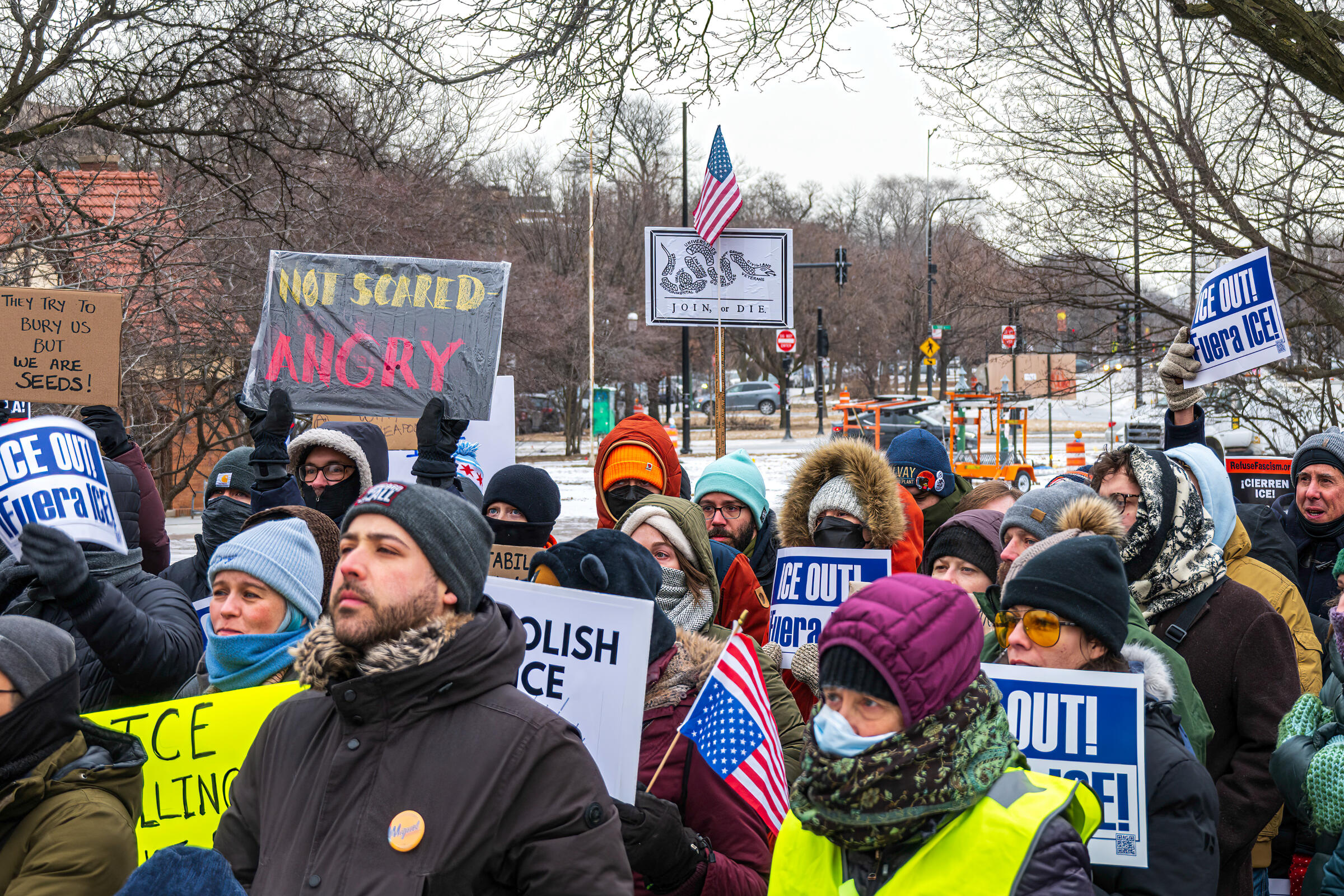
General Strike 101
What's a general strike?
A general strike, also called a mass strike or worker strike, is a highly effective mass noncooperation tactic. A general strike is a coordinated work stoppage in which a large portion of the workforce across multiple industries — rather than a single workplace or sector — refuses to work simultaneously. The goal is to bring economic and social activity to a halt in order to pressure governments, employers, or institutions into making political or economic changes.The power of a general strike comes from collective economic disruption: when enough people stop participating in the normal flow of commerce and labor, those in power face enormous pressure to negotiate or concede. It signals widespread dissent like a protest, but with direct impact.Mass noncooperation tactics like this are powerful tools that enable people to challenge oppressive systems without the use of violence. These tactics range from economic boycotts and general / mass strikes to boycotts and other noncooperation.
How we win
Why strike?
Define a general strike, highlight core reasons and demands.
Nonviolent action that undermines the authority of an unjust system by refusing to comply with it, disrupting it, and imposing costs on those who uphold it, therefore making it impossible for the system to keep its unfair policy.Demands: General Strike US
How to participate
Provide actionable net steps for supporters to join or support the May Day actions as a first step. [link to events section below]
If you can, take the day off on May 1. There’s a rally planned in Union Park that day, and we will be sharing more day of action activities in the coming weeks.
May Day Strong is organizing unions and allies to prepare for mass strikes
What would a general strike in the US actually look like? | Waging Nonviolence
Building momentum
Sharing resources and follow-up actions to drive momentum towards bigger actions over time.
Fighting authoritarianism
We must move from scattered resistance to movements advancing disciplined, mass non-cooperation.
The 4 Ds
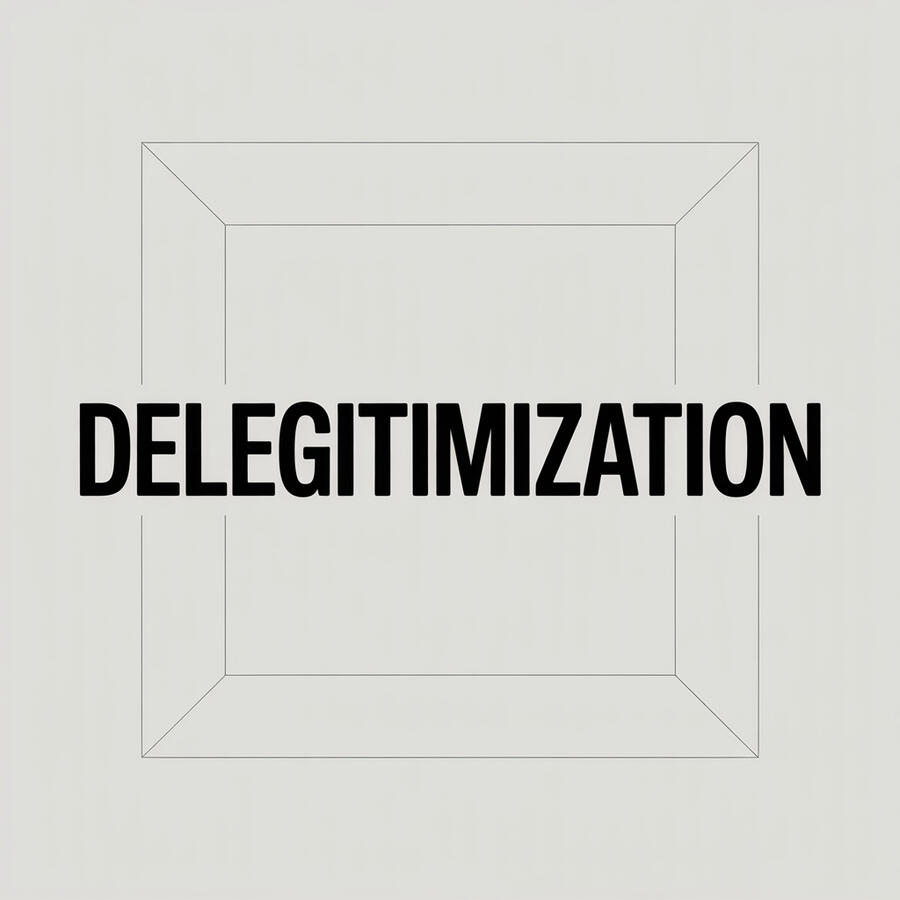


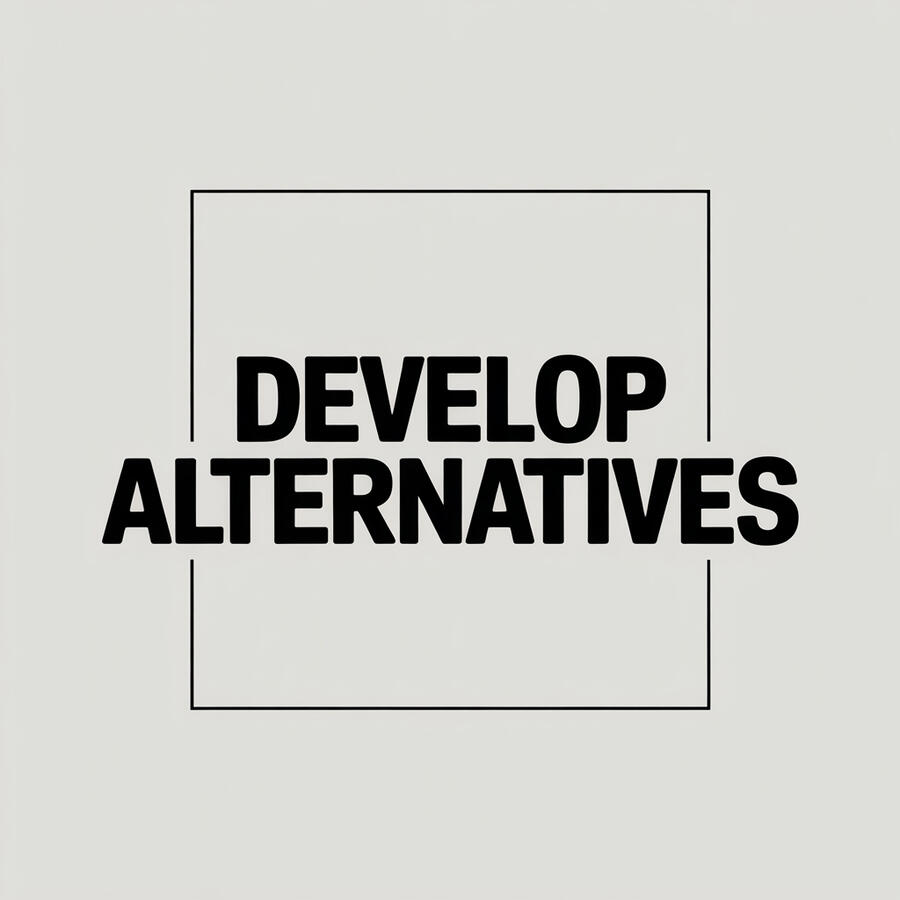
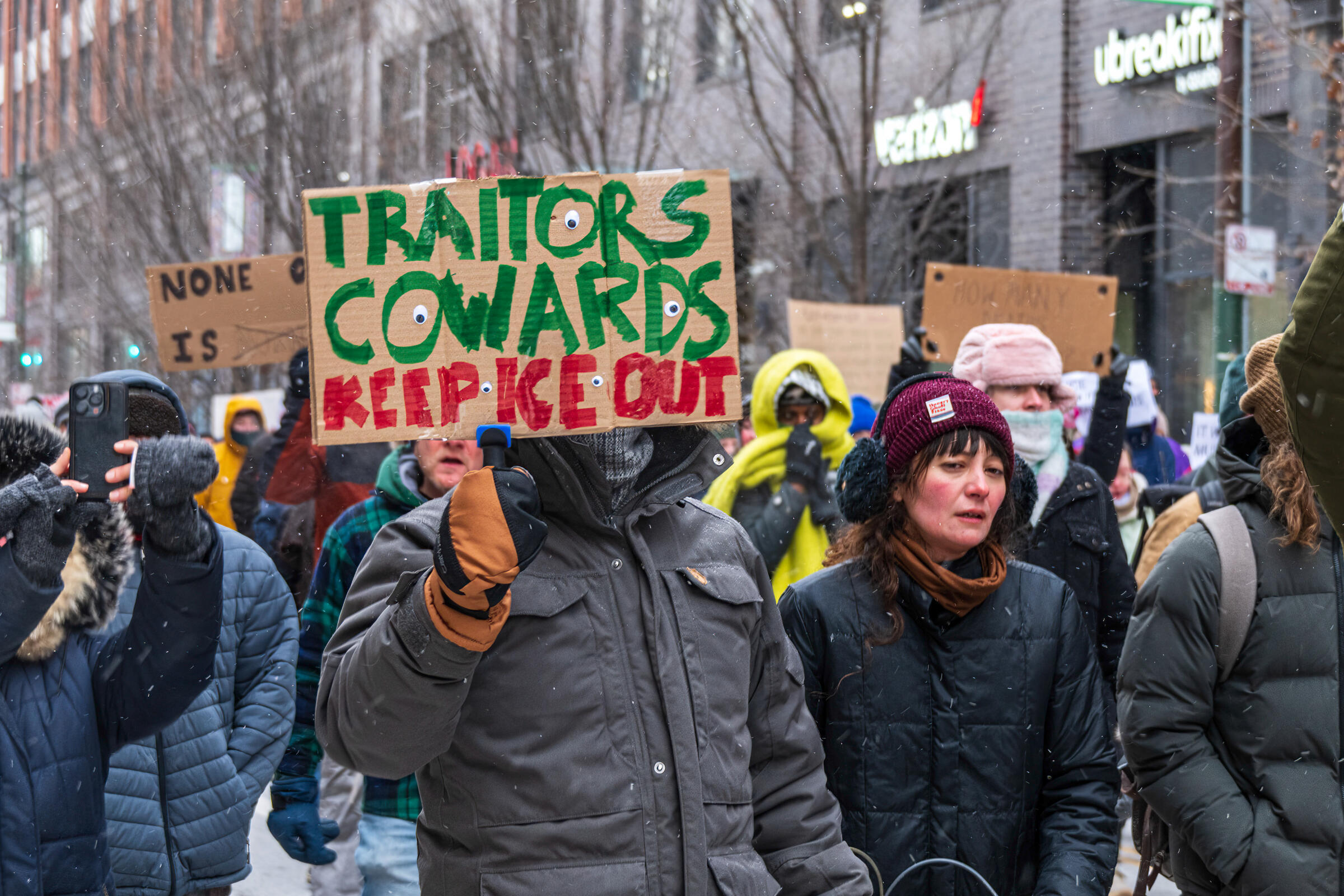
mass noncooperation looks like
Millions who previously bought products all agree to boycott a single company.
Millions call out sick on the same day.
Hundreds of thousands of students refuse to go to school.
Successes
Eight-hour Day Movement & the Haymarket Affair | The Haymarket Affair in Chicago began as a peaceful rally in support of workers striking for an eight-hour work day; despite the violence that ensued, it is the origin of May Day and international workers rights movements.
Minnesota's "No Work, No School, No Shopping" | When ICE came for their neighbors, 1 in 4 Minnesotans didn't show up to work, to school, or the register.
The January 30 Student Strike | The turnout was smaller but the shockwave was still important — over 947 student protests and walkouts rippled across the country that month.
Flint Sit-Down Strike | Workers showed support for UAW through buttons, normalized union support and boosted confidence. As a result, the UAW became a major labor union and unionized the auto industry.
Red for Ed | CTU organized teachers to wear red on Fridays in a movement that spread to other states, starting with a strike in WV. As a result, eight more statewide strikes took place and improvements like higher pay and smaller class sizes were put into place.
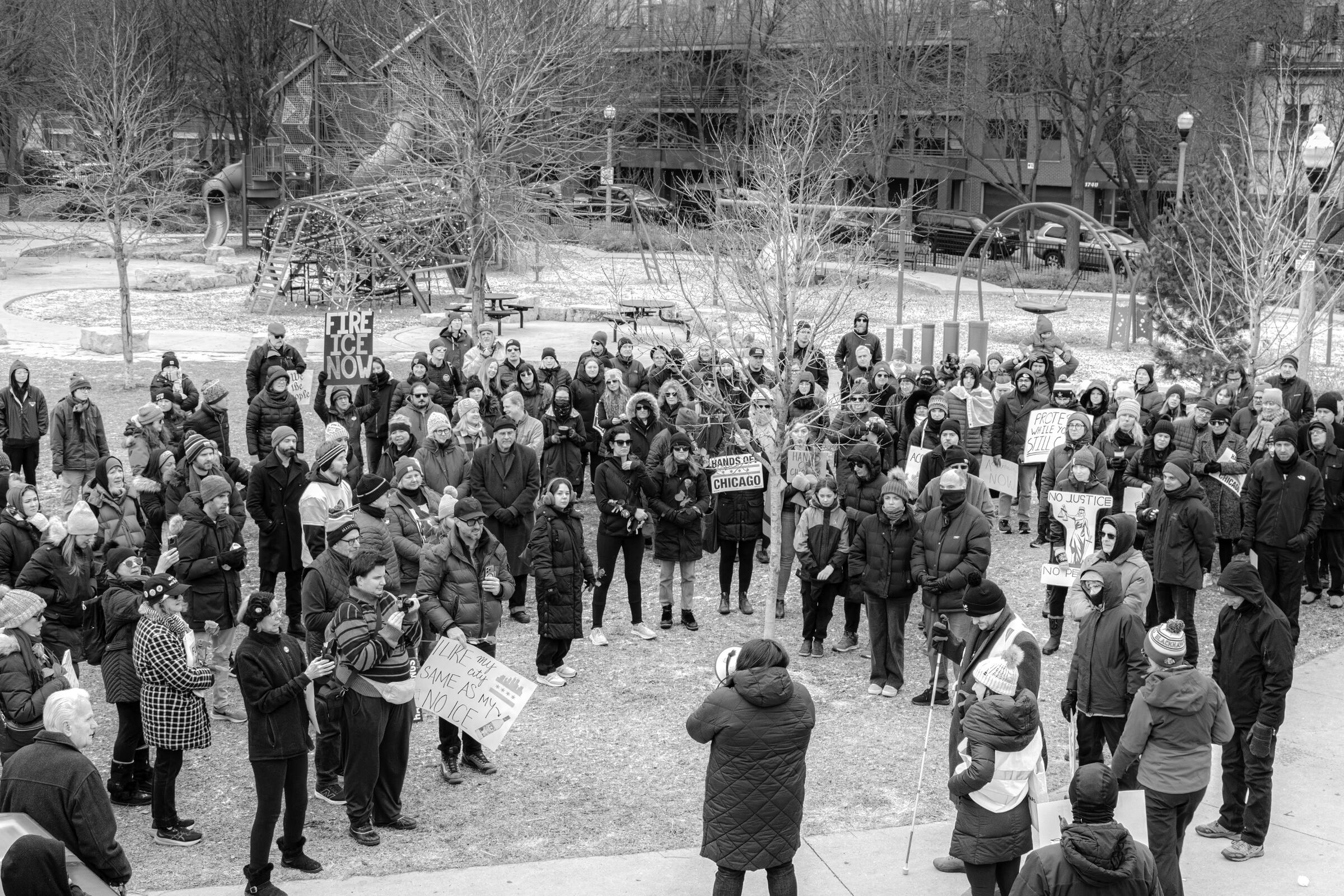
upcoming events
FAQs
Will we get in trouble?
The actions we're asking you to do right now are low-risk solidarity signals: wearing a unifying color, updating an email signature, putting a sticky note on your monitor. Are all low lift actions. And there's strength in numbers. The more people who participate, the safer everyone is. That's what solidarity
means in practice.
What's the point of small actions?
Small actions build the muscle. They tell us who's with us and how many people are ready to act together. Before we can ask people to take bigger risks, we need to know we have the numbers. Every person who wears the color or joins the chat group is another neighbor we can count on.
Am I the only one who feels this way?
You're not. That's why we're having these conversations. Start by talking one-on-one with people you trust. Once you find others who feel the same way, start a group chat (we recommend Signal, but any platform works). Knowing you're not alone changes everything.
What if my coworker is MAGA?
Don't start there. Focus on people you already have a relationship with and who you think are sympathetic. If a conversation turns hostile, don't argue, just disengage. Bring a buddy if it helps. You don't need to convince everyone, just find your people.
Should I be talking about a strike?
Not yet. Right now the ask is simple: show solidarity in small, visible ways and help build our network. If someone asks where this is headed, you can say you're building community connections and practicing acting together. The conversation about bigger actions comes later, once the groundwork is laid.
What do I say to someone?
Start with them, not you. Ask how they're feeling about what's happening at work, in their neighborhood, or in the country as a whole. And listen to them. If they're sympathetic, share what you're doing and ask if they'd like to be part of it. Use "you," not "we": "Your participation matters. Can I count on you to wear [color of unity] on Friday?"
subscribed
Check your inbox for an email from us with how to get plugged into the Indivisible Chicago Northwest Community.